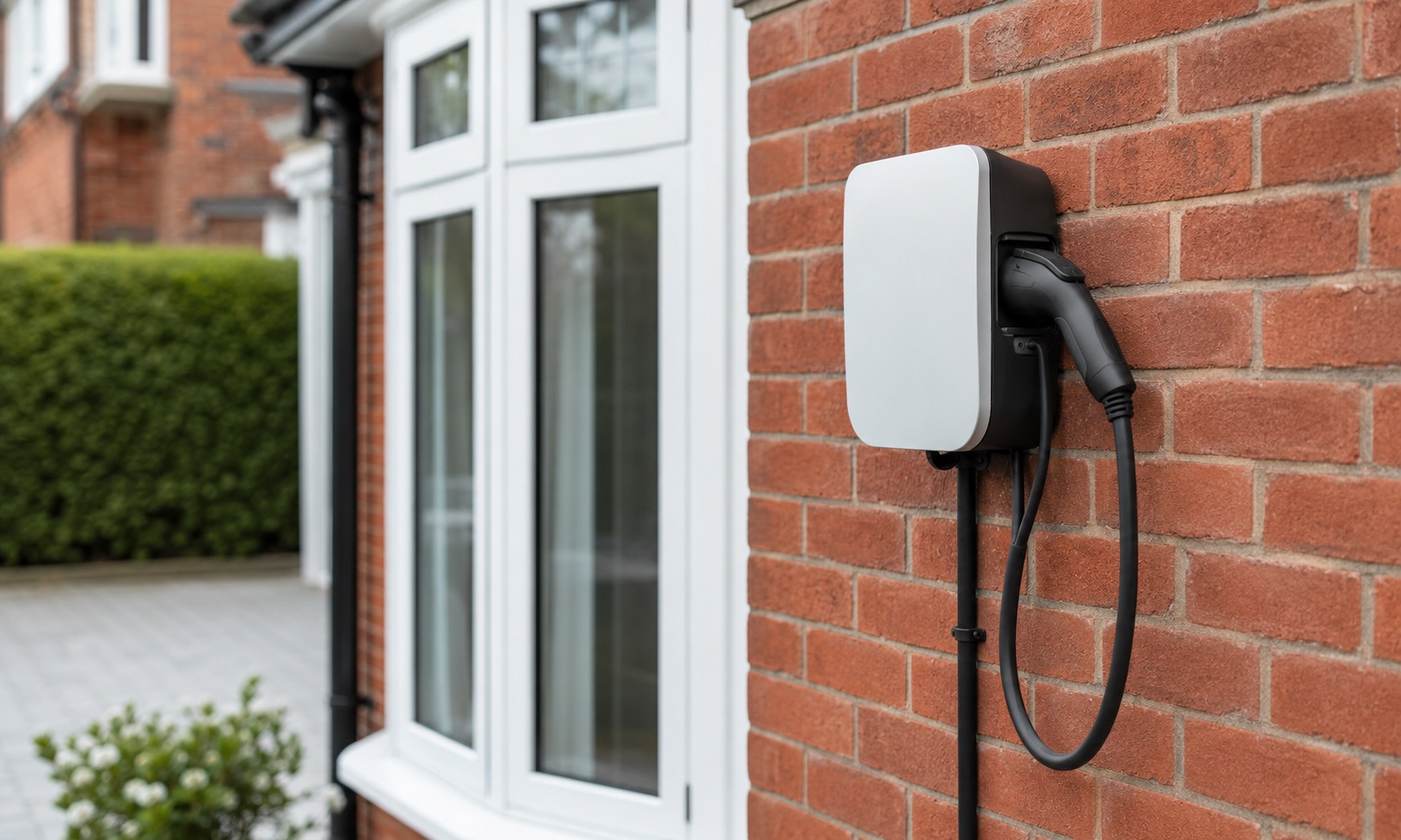
Switching to an electric vehicle is one of the best decisions you can make for your wallet and the environment. But once you have the car, the next question is almost always: which home charger should I get?
With dozens of options on the market, ranging from basic units to feature-packed smart chargers, it can be hard to know where to start. In this guide, we break down what to look for, which features actually matter, and how to find the best value for your situation.
Before we get into specific models, it is worth understanding why a dedicated home charger is worth the investment.
Charging from a standard 3-pin socket (known as Mode 2 charging) is slow, typically adding around 8 to 10 miles of range per hour. A dedicated home charger (Mode 3) can deliver 25 to 30 miles of range per hour on a 7kW unit, meaning a full charge overnight is easily achievable for most drivers.
A dedicated charger is also safer and more reliable, and crucially, it's eligible for smart tariff integration, which can dramatically cut your charging costs.
Most home chargers are rated at 7kW, which is the sweet spot for domestic single-phase electricity supplies. This is sufficient for the vast majority of EV drivers.
If your property has a three-phase supply, you may be able to access 22kW charging, though this is more common in commercial settings.
A smart charger connects to your home Wi-Fi and allows you to:
Smart features are no longer a luxury. They are increasingly standard, and they can save you a significant amount on your electricity bills over time.
The EV chargepoint grant (formerly OLEV) provides up to £500 off the cost of a home charger for eligible applicants. It no longer covers owner-occupied houses with an existing driveway — it's currently available to renters and flat owners with private off-street parking, landlords, and homeowners installing a cross-pavement solution for on-street parking. The charger must also be on the OZEV approved product list. Check your eligibility on GOV.UK before purchasing.
Look for chargers with at least a 3-year warranty and an IP54 or higher weatherproof rating for outdoor installation. Tethered cables (where the cable is permanently attached) are more convenient for daily use, while untethered units offer flexibility if you change vehicles.
Rather than recommending a single model (as availability and pricing change regularly), here are the brands consistently rated highly for value and reliability in the UK market:
The Ohme Home Pro is one of the most popular smart chargers in the UK, and for good reason. It integrates seamlessly with Octopus Energy tariffs, automatically scheduling your charging to the cheapest periods without any manual input. It is OZEV grant eligible and comes with a 3-year warranty.
Best for: Octopus Energy customers and those who want truly hands-off smart charging.
The Zappi is the go-to choice for homeowners with solar PV panels. It can operate in three modes: fast charge from the grid, eco mode (using surplus solar first), and eco+ mode (charging only from solar). If you have or are planning solar panels, the Zappi is hard to beat.
Best for: Solar PV owners who want to maximise self-consumption.
The Easee One is a sleek, compact charger with a strong app and solid smart features. It is particularly well-regarded for its clean design and ease of installation.
Best for: Those who want a stylish, compact unit with good smart functionality.
The Andersen A2 is a premium option with a focus on design and build quality. It is available in a range of finishes and materials, making it a popular choice for homeowners who want the charger to complement their property's appearance.
Best for: Design-conscious homeowners willing to invest in a premium product.
Installed costs for a home EV charger typically range from £990 to £1,695 including labour. Homeowners with an existing driveway currently pay this in full, since the OZEV grant no longer covers that group — if you're a renter, flat owner, landlord, or installing a cross-pavement solution for on-street parking, the grant can take up to £500 off.
Factors that affect the price include:
No. Home EV charger installation must be carried out by a qualified electrician registered with a competent person scheme (such as NICEIC or NAPIT). The installation must comply with BS 7671 wiring regulations and be notified to your local authority.
Attempting a DIY installation will void your warranty, invalidate your home insurance, and disqualify you from the OZEV grant.
The cost of charging at home depends on your electricity tariff. On a standard variable tariff, you might pay around 28-32p per kWh, giving a full charge on a typical 60kWh battery for around £17-19.
On a dedicated EV tariff (such as Octopus Go), overnight rates can drop to as low as 7-9p per kWh, cutting that same charge to around £4-5. Over a year, this difference can amount to savings of £500 or more for an average driver.
The best value EV charger is not necessarily the cheapest. It is the one that best fits your situation. Here is a quick guide:
| Your situation | Recommended approach |
|---|---|
| Octopus Energy customer | Ohme Home Pro |
| Have solar panels | Myenergi Zappi |
| Want premium design | Andersen A2 |
| Budget-conscious | Easee One or similar OZEV-approved unit |
Whatever you choose, make sure it is OZEV grant eligible, installed by a qualified electrician, and set up to take advantage of a smart EV tariff.