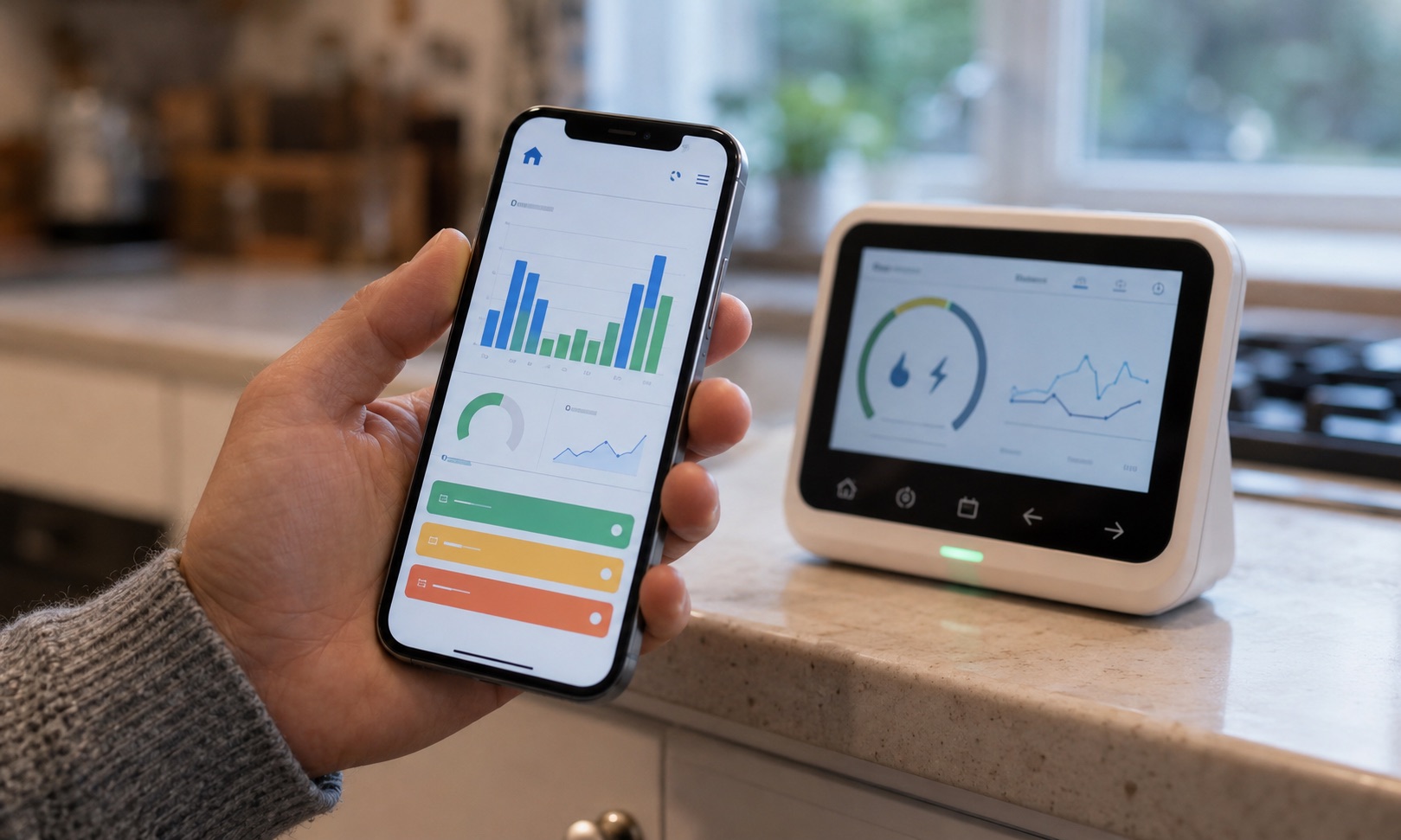
Charging an EV on a standard variable electricity tariff works fine, but it means paying the same rate for a late-night top-up as for running the oven at 6pm. Moving to an EV-specific tariff is usually the single easiest way to cut your running costs, often by more than switching charger or driving style ever could.
EV tariffs offer a much cheaper rate during a set overnight (or off-peak) window, typically several hours, in exchange for a higher rate the rest of the day, or a flat higher standing charge. Providers including Octopus Energy, EDF, British Gas and others all offer their own versions.
The principle is the same across providers: shift your highest-usage activity (charging the car) into the cheap window, and the tariff pays for itself many times over compared with a standard rate.
A smart charger with tariff integration (some models can sync directly with supported providers) removes the manual step entirely: the charger schedules itself to the cheapest window automatically.
On a standard variable tariff, charging a typical 60kWh battery from empty might cost somewhere in the region of £15-20. On a dedicated EV tariff's off-peak rate, the same charge can drop to roughly a quarter of that. Multiplied across a year of regular driving, the difference is usually the largest single saving an EV owner can make on running costs.
If you have solar panels, an EV tariff and self-generated power aren't mutually exclusive. A smart charger or energy management system can prioritise your own solar generation first, and only draw from the grid's cheap off-peak rate once the sun goes down or generation drops. This combination tends to produce the lowest running costs of all.
A tariff that looks cheap on the headline off-peak rate can still work out worse overall if your household uses a lot of daytime electricity too. It's worth running the numbers against your actual usage, not just the advertised rate.
The tariff only pays off if your charger and schedule actually line up with it. A smart charger installed and configured properly, with scheduling set up correctly from day one, makes the switch effectively automatic rather than something you have to manage manually every night.