
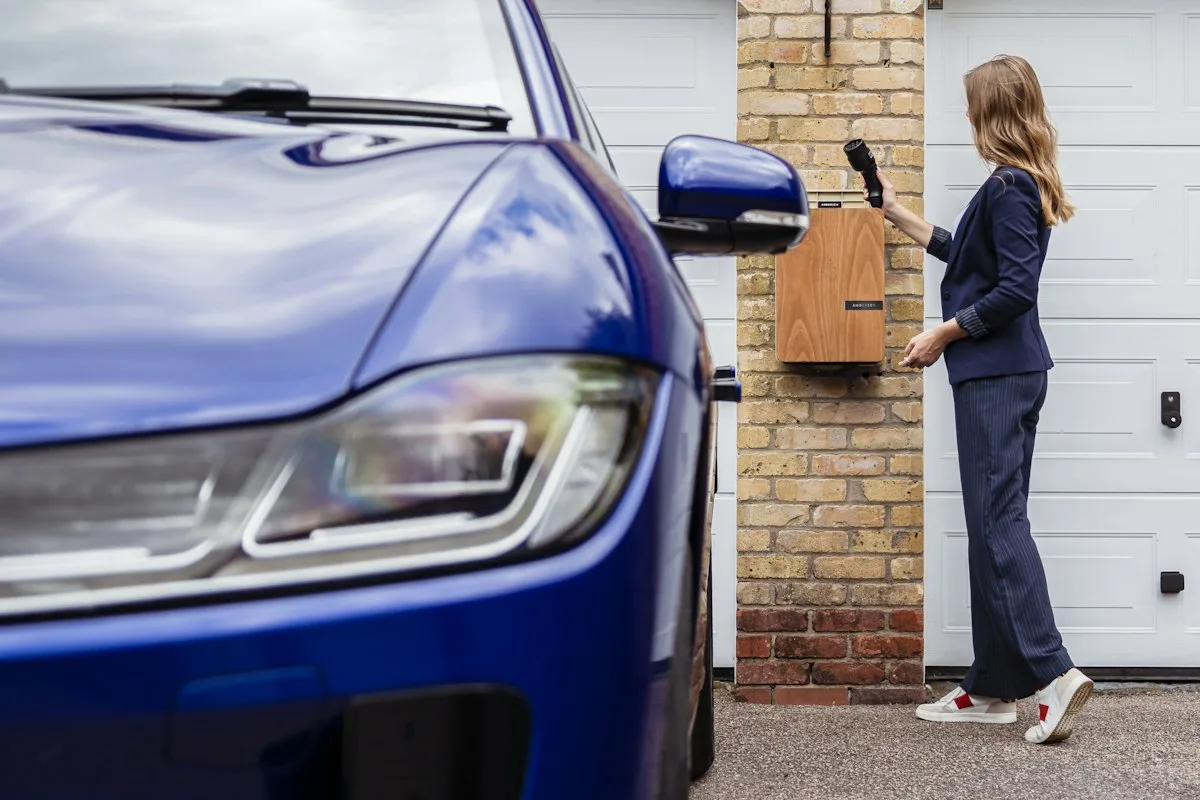
At the West Midlands standard-variable electricity rate, a typical EV driven 1,000 miles uses roughly £80 of home electricity once normal charging losses are included. On a 7.5p/kWh overnight EV tariff, the same mileage costs about £24. The charger does not make each kWh cheaper by itself; the savings come from charging at home and choosing the right tariff.
Those figures are worked examples, not promises. Your car's efficiency, weather, mileage, tariff and charging losses all affect the bill. Here is the maths so you can swap in your own numbers.
The energy price cap limits the unit rates and standing charges suppliers can charge households on default tariffs. It is not a cap on your total bill: use more electricity and you still pay for more electricity.
Ofgem sets regional rates because network and supply costs vary around Britain. For 1 October to 31 December 2026, its regional table puts a West Midlands single-rate direct-debit customer at 25.60p/kWh for electricity, with a 57.23p daily standing charge. The national direct-debit average is 26.32p/kWh. The standing charge applies to the household connection whether or not you own an EV, so the fairest driving-cost comparison normally focuses on the extra kWh used by the car.
This example assumes the EV averages 3.5 miles per kWh. It therefore needs about 286kWh from the battery for 1,000 miles. Real charging also has losses, so we have added 10%, taking the electricity drawn from the wall to about 314kWh.
| Charging option | Example rate | Cost for 1,000 miles | Approx. cost per mile |
|---|---|---|---|
| Overnight home EV tariff | 7.5p/kWh | £23.55 | 2.4p |
| West Midlands standard-variable home rate | 25.60p/kWh | £80.38 | 8.0p |
| TfWM fast charger, Be.EV app off-peak | 39p/kWh | £122.46 | 12.2p |
| TfWM fast charger, contactless PAYG | 64p/kWh | £200.96 | 20.1p |
The table includes the 10% charging-loss allowance. An especially efficient EV may cost less; a large SUV in winter may cost more.
Take a petrol car returning 40mpg. Travelling 1,000 miles uses 25 imperial gallons, or about 113.7 litres. At an illustrative petrol price of 172p per litre, that is roughly £195.50, or 19.6p per mile.
On these assumptions, charging on a cheap overnight home tariff saves around £172 per 1,000 miles compared with petrol. Charging on the capped West Midlands standard rate saves around £115. Contactless public charging at 64p/kWh is roughly level with this petrol example, which is why where you charge matters almost as much as what you drive.
Fuel and electricity prices move. Use the formula rather than treating today's result as permanent:
EV cost per mile = electricity price per kWh ÷ miles per kWh × charging-loss factor
No. A 7kW home charger draws up to roughly 7kW while the car is actively charging; it stops or slows once the battery reaches its target. A car needing 35kWh might take around five hours at full power, plus a little extra for losses and normal variations.
That makes a 7kW charger a good match for overnight tariffs with a four-to-six-hour cheap window. Smart scheduling lets the car or charger wait for the low-rate period rather than starting the moment you arrive home.
Universal Energy's current installed home-charger prices typically start around £990, with the final figure depending on the charger and the electrical work required. Cable length, groundwork and upgrades outside a standard installation can raise the cost.
Using the example above, the difference between the 25.60p West Midlands standard rate and a 7.5p overnight rate is about £57 per 1,000 miles. Against the petrol example, the overnight saving is around £172 per 1,000 miles. Do not claim the whole petrol saving as the charger payback if you would otherwise use public charging or already own the EV; compare the actual options available to you.
An EV tariff is worth checking when you can move most car charging into its cheap window without making the rest of the household's electricity unreasonably expensive. Compare the whole tariff, not just the headline overnight rate:
Home charging is normally the cheapest everyday way to run an EV, and a suitable overnight tariff can make the difference substantial. For a West Midlands driver covering 1,000 miles a month, the worked example ranges from roughly £24 on a cheap overnight tariff to £80 on the regional standard-variable cap rate.
Use your own annual mileage, car efficiency and supplier rates before making a buying decision. The arithmetic takes five minutes and is far more useful than a national "average saving" with no assumptions attached.
The cap applies to default tariff rates, while fixed and specialist EV tariffs can be structured differently. Always read the tariff's peak rate, off-peak rate, standing charge and eligibility rules rather than assuming the headline cheap rate is capped.
A 7kW charger adds roughly 7kWh per hour before normal losses and vehicle limits. Adding 35kWh takes about five hours, while a much larger charge may take most of the night. The car controls the maximum rate it accepts.
Usually not when comparing the extra cost of charging, because the household pays its electricity standing charge anyway. Include it only if moving to a different tariff changes that charge and you want a full household comparison.
Sources: Ofgem price-cap rates, Universal Energy home chargers, TfWM public charging. Checked 31 October 2026 — recheck all tariff figures immediately before relying on them, as prices change quarterly.