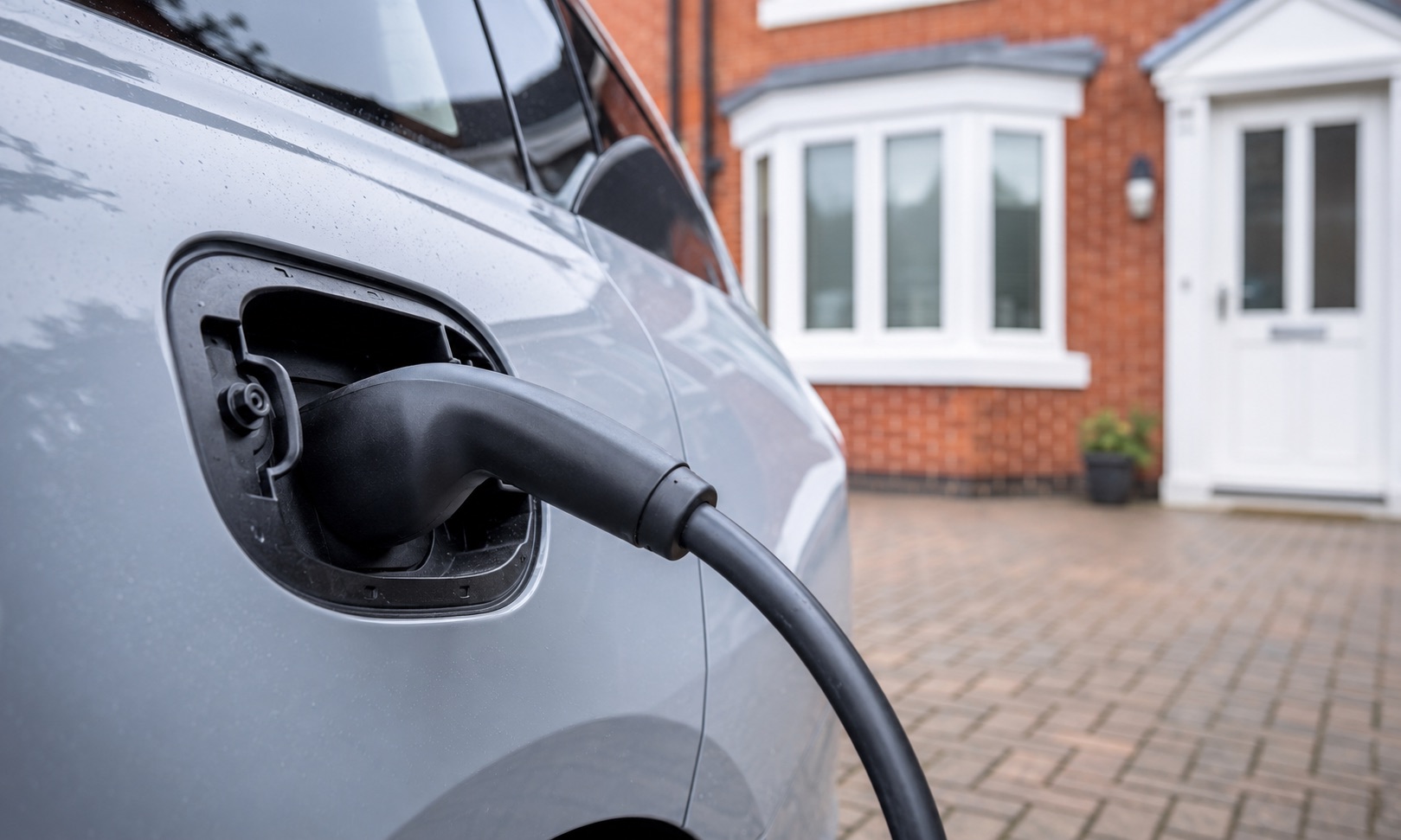
When you first get an electric vehicle, the question of how to charge it at home can feel confusing. You may have heard terms like "Level 1" and "Level 2" charging, but what do they actually mean, and which one is right for you?
In this guide, we break down the key differences, explain the pros and cons of each, and help you decide what makes sense for your driving habits and home setup.
The "level" system is a way of categorising EV charging by speed and the type of equipment used. In the UK context:
Most EV drivers will use a combination of Level 2 at home and Level 3 on longer journeys.
Level 1 charging uses the standard 3-pin plug that comes with your EV as part of the "granny cable" or EVSE (Electric Vehicle Supply Equipment) lead. You simply plug one end into your car and the other into a standard household socket.
A standard UK socket delivers around 2.3kW of power. In practical terms, this adds approximately 8 to 10 miles of range per hour of charging.
For a typical EV with a 60kWh battery, a full charge from empty would take around 26 to 30 hours.
Level 1 charging is fine as a temporary or emergency solution, for example, when staying somewhere overnight without access to a dedicated charger. It is not recommended as your primary home charging method, particularly if you drive regularly.
Level 2 charging uses a dedicated EV charging unit installed by a qualified electrician, connected directly to your home's consumer unit. In the UK, most home chargers are rated at 7kW and use a Type 2 connector.
A 7kW home charger delivers approximately 25 to 30 miles of range per hour. A full charge on a 60kWh battery takes around 8 to 9 hours, easily completed overnight.
Some properties with a three-phase electricity supply can access 22kW charging, which is more common in commercial settings but available to some domestic customers.
If you drive more than 20 to 30 miles per day, a Level 2 charger is almost certainly worth the investment. The combination of faster charging and access to cheap overnight tariffs means most drivers recoup the installation cost within 12 to 24 months through lower energy bills.
| Feature | Level 1 (3-pin socket) | Level 2 (Home charger) |
|---|---|---|
| Power output | ~2.3kW | 7kW (or 22kW three-phase) |
| Miles added per hour | 8–10 miles | 25–30 miles |
| Full charge time (60kWh) | 26–30 hours | 8–9 hours |
| Smart scheduling | No | Yes |
| Solar PV integration | No | Yes (with compatible charger) |
| OZEV grant eligible | No | Yes |
| Installation required | No | Yes (qualified electrician) |
| Upfront cost | £0 (cable included with car) | £500–£900 after grant |
The speed difference between Level 1 and Level 2 does not affect the cost per kWh. You pay the same rate for the electricity regardless of how fast you charge. However, Level 2 chargers with smart features allow you to schedule charging to take advantage of cheap overnight tariffs.
On a standard tariff at around 30p/kWh, charging a 60kWh battery costs around £18. On an overnight EV tariff at 7–9p/kWh, the same charge costs around £4–5. Over a year, this can represent a saving of £500 or more for an average driver, more than enough to offset the cost of a Level 2 charger installation.
In most cases, no. A standard UK home with a modern consumer unit can accommodate a 7kW home charger without any upgrades. Your installer will assess your electrical supply during the survey and advise if any additional work is needed.
If your home has an older fuse board or limited spare capacity, a consumer unit upgrade may be required. Your installer will advise on this before any work begins.